

Compliance That Fits E-Freight ERP Users
How eFreight ERP Routes Invoices
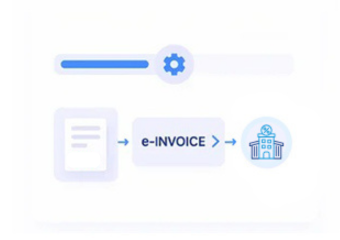
- Collect Shipment Records: Retrieves completed shipment, consignment, customer, and charge information from eFreight ERP billing operations.
- Combine Freight Charges: Groups transportation, handling, storage, and additional service amounts into complete invoice transaction records accurately.
- Verify Billing Fields: Checks customer details, tax values, shipment references, currencies, and mandatory invoice attributes before submission.
- Prepare Fiscal Records: Formats relevant ERP billing information for Botswana electronic invoicing requirements and structured processing workflows.
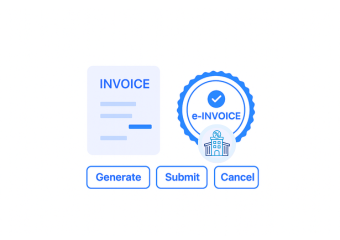
- Process Invoice Data: Sends prepared transaction records through Advintek for electronic invoicing validation and status management activities.
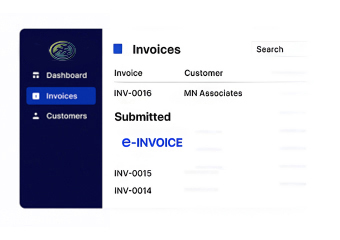
- Return Processing References: Records resulting invoice references against source billing transactions for reconciliation and operational review purposes.
What Advintek Adds to eFreight ERP
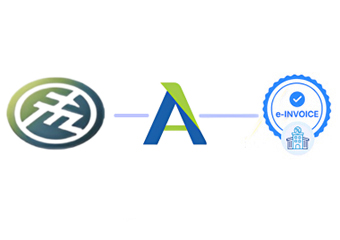
Advintek connects eFreight ERP billing activity with Botswana electronic invoicing workflows while maintaining shipment and charge-level context.
- Shipment references support traceable freight billing records
- Charge lines preserve detailed service calculations
- Customer accounts connect related billing activity
- Tax data supports structured invoice preparation
Why eFreight ERP Supports Logistics
- Shipment Billing Control: Coordinates billing details with shipment activity, helping logistics teams manage related invoice information accurately.
- Charge Structure Visibility: Separates freight, handling, storage, and service charges for clearer transaction-level billing analysis and review.
- Customer Billing Context: Links customer records with consignment and shipment details across operational and financial billing workflows.
- Cross Border References: Associates transport documentation with billing records for transactions involving multiple shipment stages and destinations.
- Operational Data Reuse: Uses existing logistics records to support invoice preparation without repeatedly entering shipment information manually.
- Invoice Status Tracking: Connects processed invoice outcomes with source transactions for follow-up, reconciliation, and billing investigations internally.
Everything You Need for Botswana E-Invoicing in One Place
Consignment Charge Breakdown
Supports detailed invoice preparation using separate logistics charges recorded against individual freight movements.
Shipment Reference Continuity
Preserves operational shipment identifiers alongside billing information during electronic invoice processing activities.
Customer Freight Profiles
Uses established customer billing information when preparing efreight transactions from recurring logistics operations.
eFreight ERP Billing Across Botswana
eFreight ERP supports logistics businesses handling freight charges, consignment records, customer accounts, and operational billing requirements.
- Transport charges reflect completed freight services
- Storage fees support warehouse billing activities
- Handling records document additional logistics services
- Consignment references connect invoices with shipments
Automated e-Invoicing for eFreight ERP
Connect Botswana e-invoicing workflows with eFreight ERP through Advintek today.
Link ERP data with BURS billing workflows.
Ready e-Invoice System
Frequently Asked Questions E-Freight ERP E-Invoicing Botswana
Which eFreight ERP data is useful for Botswana e-invoicing?
eFreight ERP can provide shipment references, consignment information, customer accounts, freight charges, service descriptions, currencies, and tax-related details. Advintek can use relevant ERP records when preparing structured electronic invoice data, helping logistics businesses connect operational billing activity with Botswana invoicing workflows while retaining source transaction context.
How can freight charges flow from eFreight ERP into e-invoicing?
Freight transactions may contain transportation, handling, storage, documentation, or additional service charges. Advintek can process the relevant charge information from eFreight ERP alongside shipment and customer references, creating a structured path from logistics billing records into Botswana electronic invoicing processes without separately rebuilding the transaction information.
Does the integration support consignment-level invoice references?
Yes. Relevant consignment, shipment, or operational identifiers can remain associated with billing data during electronic invoice processing. This helps businesses trace processed invoices back to freight activity within eFreight ERP, supporting investigation, reconciliation, customer queries, and review of related logistics transactions across operational and financial records.
Can eFreight ERP support different logistics billing scenarios?
eFreight ERP may record billing information for various freight services, including transportation, handling, storage, and supplementary operational charges. Advintek can work with relevant invoice-source records from these scenarios, helping structure transaction data for Botswana electronic invoicing while preserving the ERP context associated with each customer billing activity.
What does Advintek add to eFreight ERP e-invoicing workflows?
Advintek provides the connection between eFreight ERP billing data and Botswana electronic invoicing processes. It can organize relevant transaction details, support field validation, process structured invoice information, manage resulting statuses, and associate processing references with source records, helping logistics and finance teams maintain clearer invoice traceability.