

Compliance That Fits SAP ECC Users
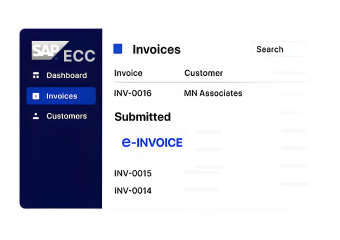
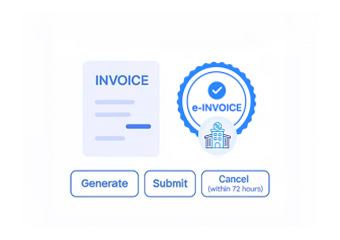
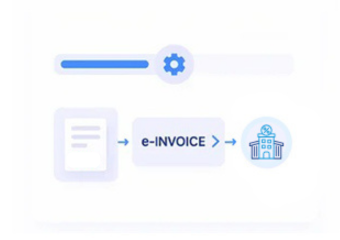
How SAP ECC Data Enters E-Invoicing
- Select Source Documents: Identify approved SAP ECC documents containing sales, material, customer, vendor, tax, and accounting information.
- Interpret ERP Fields: Examine relevant ERP fields to determine information required for Botswana electronic invoice preparation.
- Build Invoice Records: Convert selected SAP ECC transaction details into organized electronic invoice information for processing.
- Verify Tax Information: Check VAT treatment, values, identifiers, and transaction relationships before electronic billing continues.
- Return Document Results: Associate processing outcomes with originating SAP ECC documents for continued financial and operational visibility.
- Preserve Audit References: Retain invoice information and corresponding ERP references for reconciliation, reporting, and future examination.
Advintek Connects SAP ECC Data
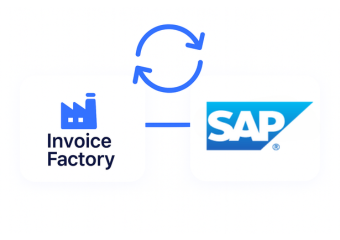
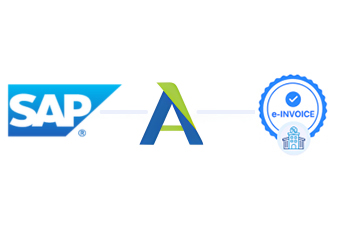
Advintek links SAP ECC information with Botswana electronic invoicing workflows, connecting commercial, manufacturing, procurement, and financial records.
- Sales documents support invoice source preparation
- Material masters enrich product information
- Vendor records strengthen purchasing traceability
- Accounting documents retain billing context
SAP ECC Controls Enterprise Transactions
- Controlling Area Analysis: Examine SAP ECC controlling information alongside billing activity to understand departmental financial movements.
- Production Variance Review: Compare production-related accounting activity with transaction records to identify unusual manufacturing variances.
- Vendor Liability Monitoring: Assess vendor obligations against purchasing and billing records for stronger accounts payable oversight.
- Customer Receivable Evaluation: Review customer receivables alongside invoice activity to identify account-level financial changes.
- Material Valuation Analysis: Examine material valuation information alongside sales activity to understand inventory-related financial movements.
- Tax Posting Verification: Compare tax postings with transaction information to support accurate Botswana VAT accounting reviews.
Everything You Need for Botswana E-Invoicing in One Place
Production Capacity Signals
Analyze production activity to identify changing capacity requirements across manufacturing operations.
Material Requirement Trends
Examine material consumption patterns to support procurement and production planning decisions.
Regional Sales Patterns
Evaluate sales distribution across operating regions to identify changing commercial performance trends.
SAP ECC Applications In Botswana
SAP ECC integrates sales, materials, production, procurement, controlling, finance, and master data with Botswana electronic invoicing, supporting coordinated tax information, commercial records, and invoice traceability.
- Sales documents initiate commercial billing records
- Material masters support detailed invoice lines
- Vendor data informs procurement transactions
- Controlling records support financial analysis
Manage Connected Finance Operations
Connect SAP ECC with Botswana electronic invoicing through Advintek today.
Coordinate enterprise billing with connected SAP records.
Ready e-Invoice System
Frequently Asked Questions SAP ECC E-Invoicing Botswana
Which SAP ECC documents can support Botswana e-invoicing?
SAP ECC can provide relevant information from sales documents, customer masters, material records, purchasing documents, vendor records, financial accounting, and controlling data. Advintek connects applicable information with electronic invoice workflows, allowing businesses to associate billing records with their original ERP documents while supporting structured processing for Botswana electronic invoicing requirements.
How can SAP ECC tax conditions support Botswana VAT invoices?
SAP ECC tax conditions can provide transaction-level information relevant to invoice preparation and VAT treatment. Advintek can evaluate applicable tax information alongside values, materials, customers, and document details before electronic processing. This helps finance teams identify inconsistent tax information while maintaining stronger connections between SAP ECC records and Botswana billing documents.
What SAP ECC material information can appear on invoices?
Material-related information can provide product descriptions, identifiers, quantities, units, and other transaction details required for billing. Advintek can connect relevant SAP ECC material data with electronic invoice preparation, helping organizations maintain consistent product information between originating sales documents and resulting Botswana electronic invoices.
Can SAP ECC controlling records remain connected to billing activity?
Yes. SAP ECC controlling information can provide valuable financial context for transactions associated with billing. Advintek can preserve relevant document relationships, allowing finance teams to examine electronic invoice activity alongside controlling records. This supports departmental analysis, financial review, and investigation without separating billing information from the wider ERP environment.
Why connect SAP ECC with Botswana BURS electronic invoicing?
SAP ECC manages interconnected enterprise information across sales, materials, procurement, production, finance, and controlling. Advintek connects relevant ERP data with Botswana electronic invoicing workflows, supporting structured preparation, validation, processing visibility, and document traceability. Businesses can therefore coordinate billing activity with established SAP ECC processes and financial records.